

If you’re browsing a site called diplomaframe.com, you’d probably care about the moment a degree becomes official. The cap toss. The proud smile. The diploma worth framing. Same here.
But here’s the thing that most of us wish we celebrated just as much: what happens after the ceremony. The steady work of staying curious.
Lifelong learning is actually the practice of staying curious long after the classroom doors close. It’s easy to celebrate the day someone earns a degree. However, the daily commitment to growth shapes a person far more. That commitment is what truly deserves our applause.
A diploma marks a milestone. Lifelong learning builds a life. Read on to discover why that ongoing journey deserves more recognition than graduation day alone.
Lifelong Learning vs. Graduation: Key Differences
The limitations of celebrating graduation alone
Graduation ceremonies matter. They’re a public moment that says hard work counts. And that feels good to witness. But the way we talk about that day sometimes tilts things in the wrong direction. We treat it like a finish line when it’s really more of a trailhead.
Take it from Ryan Beattie, Director of Business Development at UK SARMs. He believes graduation is an important milestone, but it’s only the beginning of professional growth.
Having worked in a fast-changing industry where regulations and customer expectations continue to evolve, he’s seen firsthand why continuous learning matters.
Beattie says, “A diploma gives you the foundation to start your career. However, it’s your willingness to keep learning that determines how far you’ll go. The thing is: markets change. Technology advances. Industries evolve. The people who stay curious and keep building new skills are the ones who remain valuable over the long term.”
Traditional education gives you a structure and a foundation. It can’t anticipate every twist that follows:
- Jobs evolve.
- Industries reinvent themselves.
- Your own interests and values shift as you gain experience.
Over-focusing on the ceremony means under-valuing the ongoing choices that make the rest of your story possible. The diploma isn’t the ceiling. It’s the front door.
The growing importance of lifelong learning
The world doesn’t sit still. Technology changes fast. Job markets reshape themselves in slow waves and sudden jolts. And personal fulfillment rarely comes from mastering one thing forever. That’s why continuous learning matters more each year.
Consider work alone. The World Economic Forum’s (WEF’s) latest analysis estimates that about 44% of workers’ core skills will change within five years. Employers anticipate that six in ten workers will need training by 2027 to stay effective in their roles.

Gareth Edwards, General Manager at Fox Family Heating & Air Conditioning, stresses the value of lifelong learning.
He says it’s become essential in skilled trades as new technologies and industry standards continue to evolve. He believes that staying current is about delivering better results and adapting to change with confidence.
Edwards explains, “No matter your profession, learning can’t stop after graduation. The tools and technology, as well as the customer expectations are always changing. The people who make time to learn new skills are the ones who stay adaptable. They continue growing throughout their careers.”
And people are on board. A Pew Research Center study found that most American adults see themselves as lifelong learners and engage in both personal and professional learning throughout their lives. The desire is there. The question is how we make space for it.

The Impact of Lifelong Learning
You can see the returns of continuous learning in individual careers and across entire companies. For instance:
- We’ve watched friends who started in customer support learn data analytics and move into product roles.
- We’ve seen nurses add telehealth certifications and become the go-to resources in their clinics.
These aren’t overnight reinventions. They’re the result of steady, visible commitment.
Companies feel the impact, too:
- AT&T’s multiyear talent overhaul put reskilling at the center of its strategy. It blended formal coursework and flexible pathways to move employees into emerging roles.

- Amazon’s Career Choice program has invested over a billion dollars to help frontline employees gain new credentials and pivot to in-demand fields. Beyond PR headlines, these programs reflect a practical truth: it’s often smarter to grow skills from within than to start from scratch outside.
Learn from Gregor Emmian, Deputy Chief Digital Growth Officer at Rise. He believes continuous learning is one of the biggest drivers of long-term success for both individuals and organizations.
Working in digital growth, he has seen how teams that embrace new skills are better equipped to adapt, innovate, and seize new opportunities.
Emmian shares, “The most successful professionals aren’t the ones who stop learning after earning a degree…they’re the ones who keep building on it. Every new skill expands your ability to solve problems and contribute in different ways. When organizations support continuous learning, they don’t just develop better employees but build more resilient businesses.”
There’s a retention story here too. LinkedIn’s research has shown that companies that excel at internal mobility retain employees roughly twice as long as those that don’t. Skill-building isn’t just good for résumés. It’s good for teams, budgets, morale, and more.

How To Cultivate a Lifelong Learning Practice
Lifelong learning looks different for everyone. Some people pursue leadership training, while others develop practical knowledge of industries such as wholesale apparel to prepare for new career opportunities or business ventures.
You don’t need a sabbatical to get started. You need a plan that fits the life you already have. Think of learning like exercise for your curiosity. Regular sessions beat heroic once-a-year marathons. Browsing a few structured learning platforms like MasterClass can help you find a format that matches your pace.
Try this:
- Pick one “why.” Tie your learning to a problem you care about or a future you want.
- Set a specific goal. Fifteen minutes a day. One module a week. One coffee chat a month.
- Stack it into a habit. Learn right after your morning coffee or your daily walk.
- Keep a visible log. A simple checklist or a public note keeps momentum going.
- Teach back. Explaining what you learned to a teammate or friend makes it stick.
- Build a small portfolio. Save notes, code snippets, lesson plans, or project photos in one place.
Resources are everywhere:
- Community colleges and libraries — offer affordable classes
- Online platforms — like Coursera and edX provide courses from beginner to advanced, often free to audit

- Professional associations – run workshops and have mentoring circles
- Podcasts and newsletters – turn commutes into mini-classes
The hardest part is picking a lane and taking the first step. Whether you want to improve your communication skills, earn a technical certification, learn a new language, or take land investing courses to build expertise in a new field, the important thing is to choose a learning path that aligns with your goals.
That said, start small. Schedule it like any other appointment. And let curiosity lead the way. Once learning becomes part of your identity, motivation stops being a barrier.
Shifting the Cultural Paradigm Towards Lifelong Learning
We’re good at celebrating graduations. We could be just as good at cheering the chapters that follow. That starts with small cultural signals.
Imagine if teams rang a bell when someone earned a new certification…the way they do when sales hit a target. Imagine if we treated a completed apprenticeship or a language milestone as worthy of the same applause we give a diploma.
Below are key players (and how they can shift the cultural paradigm towards lifelong learning):
- Institutions can multiply impact. Colleges and universities are already expanding their offerings beyond traditional degrees. Stackable certificates, bridge programs, credit for prior learning, and employer partnerships all help learners build skills without having to press pause on life.
- The media and influencers can normalize this. They can do so by spotlighting stories of reinvention at every age. Not just the overnight successes, but the steady, human ones. A caregiver who becomes an EMT. Or a warehouse associate who moves into network engineering.
- Employers play a huge role as well. They set the tone for whether learning is valued or ignored. Companies or organizations that offer time for development and celebrate new skills the way they celebrate hitting targets signal that growth never stops.
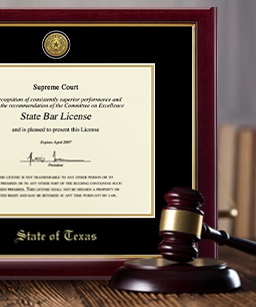
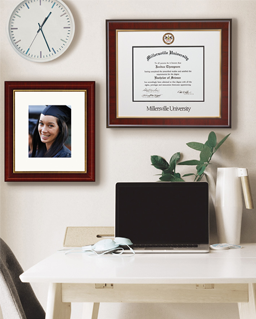
- For families and communities, the message can be simple. Frame the diploma (see below). Then leave a little space on the wall for what comes next: certificates, licenses, community awards, a photo from the workshop you’re proud you didn’t skip. Recognition that stretches beyond graduation day keeps people going.
Final Words
Graduation deserves a place of honor on your wall and in your memory. But the long arc of your growth doesn’t end there.
It actually bends with every book you finish. With every skill you practice. With every conversation that nudges your thinking a little wider.
If you’re game, take a minute today to name one thing you want to learn next. Something small and doable. Put it on your calendar. Ask a friend to join you.
The diploma marks where you started. Lifelong learning tells the rest of the story.
To get started and stay motivated, frame your academic diploma and professional certificates as you go along in learning and building your career.