





Walk into a nonprofit office and the desk tells you everything. It’s not the clean, minimalist kind from stock photos.
It’s the real kind. Sticky notes stacked on sticky notes. A coffee mug gone cold an hour ago. A folder that won’t quite close because one more grant application got crammed inside it.
Nonprofit leaders wear a lot of hats. Fundraiser. HR department. Board liaison. Sometimes janitor too. Everything on that desk earns its spot. Nothing sits there just to look nice.
The Personal Items That Keep You Grounded
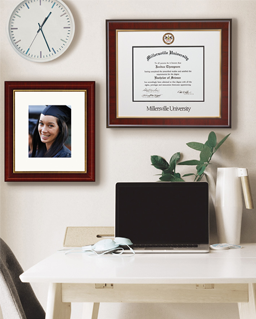
The first thing you notice usually isn’t paperwork. It’s something personal. A diploma from the program that started the career. A certificate from a leadership course. A photo from a community event. A note a client wrote years ago that never came down from the wall.
These aren’t decorations. They’re anchors. On the day a funder pulls out or a longtime volunteer disappears, these are what a leader looks at first.
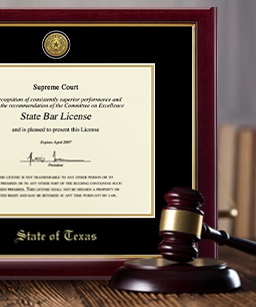
Nonprofit leadership is a credentialed field. About 80 percent of leaders hold a master’s degree or higher. Those framed certificates aren’t there for show. They’re proof of years actually spent earning them.
Some leaders keep smaller tokens too:
– A crayon thank-you card. From a kid in an afterschool program.
– A woven bracelet. Made by a teenager during a summer session.
– A gala mug. Nobody remembers the theme anymore, but it holds pens now.
Others frame their certifications properly, glass included, so the paper doesn’t curl at the edges. If yours still lives in a drawer, a certificate frame fixes that in five minutes.
A Struggle Nonprofits Don’t Need Anymore
Here’s one thing that shouldn’t be hard. Tracking donations. Logging receipts. Sending thank-you letters on time. A lot of nonprofits still do this by hand. Spreadsheets. Paper folders. Sticky notes as backup memory.
It doesn’t have to work that way. Nonprofit transaction processing tools exist for exactly this problem.
– They log donations automatically. No re-typing entries into a spreadsheet at 9pm.
– They send receipts on their own. Donors get a thank you before the mail even goes out.
– They keep tax season simple. Records stay organized instead of buried in a folder.
The best part is the cost. These tools are accessible and cheap to run. Most nonprofits can afford one without touching the program budget. The return is real too. A missed thank you or a late receipt can cost a donor relationship. A tool that prevents that pays for itself fast.
The sector is big enough that this matters.
Over 300,000 nonprofit organizations were operating in the US as of 2022. Together they accounted for about 12.8 million jobs. That’s a lot of administrative work happening behind the scenes. Most of it doesn’t need to be done the hard way anymore.
The Planner Nobody Leaves Home Without
If nonprofit leaders agree on one thing, it’s this. The planner never leaves their side. Paper or digital. Color coded or scrawled in three pens. Doesn’t matter, as long as it’s close by.
Board meetings. Donor events. Volunteer orientations. Grant deadlines. It all lives in there. Many leaders run a hybrid system. Digital calendar for the team. Paper planner for themselves.
Nonprofit organizations made up about 9.9 percent of private sector employment in 2022. That’s a lot of coordination happening across a lot of planners just like this one.
Sticky notes back up the planner too. Call the board chair. Confirm the venue. Don’t forget Thursday’s site visit. Some leaders keep a running list of five minute tasks, ready the second a meeting ends early.
This isn’t really about efficiency. It’s triage. Sorting what’s urgent from what’s important from what can wait.
The Contacts That Make Things Happen
Nonprofit work runs on relationships. So the desk holds contact lists too. Business cards. Informal directories built up over years. A local reporter who actually covers community news. A program officer who picks up the phone. A volunteer coordinator who can rally ten people with one text.
Most leaders also keep a small stash of blank thank you cards nearby. Gratitude isn’t an afterthought here. It’s strategy.
Donors gave $592.50 billion in 2024. That’s a 6.3 percent jump from the year before. A lot of that growth gets sustained by something simple: someone taking thirty seconds to write a real thank you note.
Some desks double as a research shelf too. Printed articles on giving trends. Workforce data from the Bureau of Labor Statistics for budget season. A dog eared copy of the strategic plan, usually overdue for a re-read.
What the Desk Is Really Saying
Strip away the certificates, the donor records, and the color coded planner. What’s left says something simple. This person is holding a lot together on purpose.
The mess isn’t a sign anything is falling apart. It’s proof the work is actually getting done.