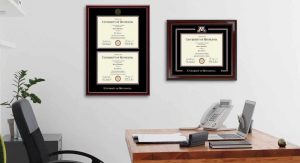

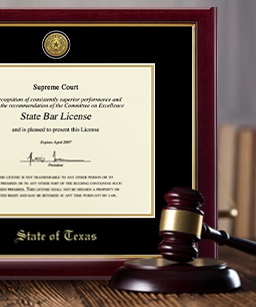
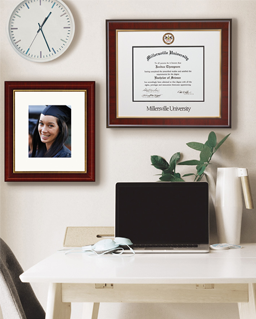


You know those diplomas and certificates hanging on your doctor’s wall? There’s more to them than you might think. Sure, credential framing is just putting degrees and licenses in frames where people can see them. But in law firms, medical offices, and corporate buildings, those frames actually matter.
They tell people you know what you’re doing before you even open your mouth. They help nervous patients relax. They make employees feel like their hard work gets noticed. In a world where everyone’s attention span is shot, framed credentials speak for you. They’re proof that backs up your expertise without making you sound like you’re bragging.
The Importance of Framing Credentials in Professional Environments
Before a word is spoken, visitors are already forming opinions about competence. In professional settings, those impressions matter. They affect clients, patients, and employees in different but equally important ways.
Building Trust with Clients and Patients
Ever notice how your eyes wander around a doctor’s office while you wait? You’re not alone. We all do it, and we’re all looking for the same thing: some sign that we picked the right person. Healthcare designers have actually studied this. Turns out, the way an office looks affects how much we trust the person treating us.
That instinct isn’t limited to healthcare.
Joern Meissner, Founder and Chairman of Manhattan Review, has spent decades working with students preparing for high-pressure exams where credibility and outcomes matter. His perspective comes from seeing how quickly people judge whether an institution is serious before instruction even begins.
Meissner says, “In rigorous learning environments, trust is built before the first lesson. When credentials, certifications, and academic affiliations are clearly displayed, they signal discipline and standards. Students and families want reassurance that they’re in a place that takes preparation seriously, not one that improvises.”
Instilling Confidence in Employees
Here’s something most people miss: those frames aren’t just for clients. They matter to the people who work there, too. When companies display employee certifications alongside the boss’s MBA, it sends a message. It says achievement matters here, no matter who you are, as you can see below.
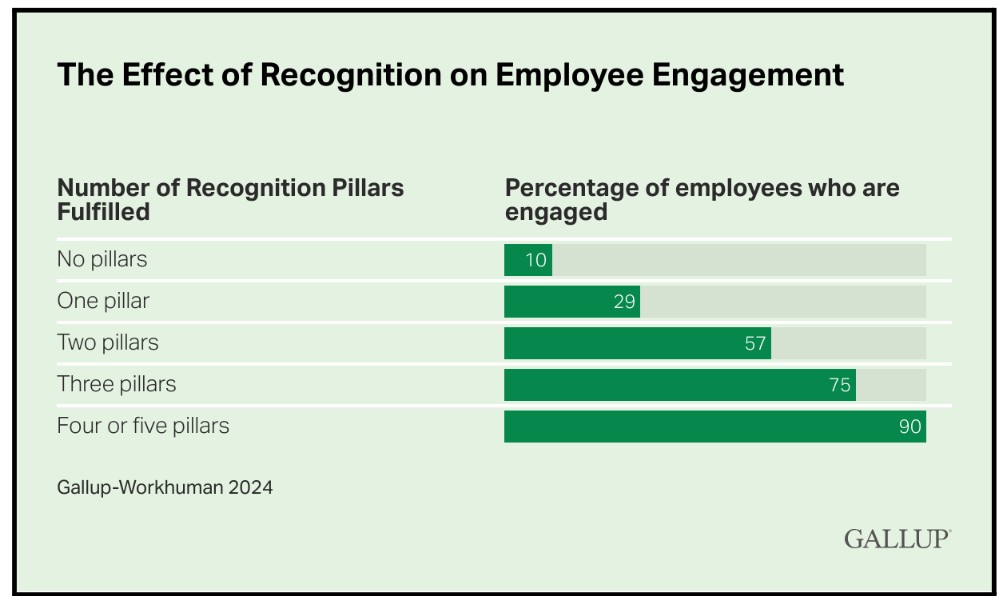
Avner Brodsky, CEO of GoodWishes, leads a company built around recognition, marking milestones, achievements, and moments that matter inside organizations. His perspective comes from watching how acknowledgment affects morale long after the moment passes.
Brodsky says, “People don’t just want to do good work; they want to know it was seen. When achievements are made visible, whether it’s a certification on the wall or a note of recognition, it tells someone their effort mattered. That kind of signal sticks longer than incentives or announcements ever do.”
Creating a Professional Ambiance
Done right, credentials become part of the decor. Done wrong, they look like a garage sale. The difference? Thoughtful design.
Tom Bukevicius, Principal at SCUBE Marketing, works with companies where first impressions often happen before a single meeting or call. His view on office presentation is shaped by how quickly visitors form judgments about credibility.
Bukevicius explains, “People read a space the same way they read a website. If credentials feel cluttered or accidental, it creates doubt. When they’re curated and intentional, they quietly reinforce trust. You don’t need more proof, you need clearer proof.”
The trick is making it look intentional, like a gallery wall instead of a bulletin board.
Best Practices for Framing Credentials
The materials you choose, where you hang documents, and how you maintain them determine whether credentials quietly reinforce trust or get ignored altogether.
Choosing the Right Frame
Your diploma took years to earn. Don’t stick it in a cheap frame from the drugstore. Here’s what actually works:
First, get acid-free mats and backing. Regular paper turns yellow and gets brittle. The conservation folks at the American Institute for Conservation have whole guides on this if you want to get technical. But acid-free materials keep your stuff looking good for decades.
Acrylic won’t shatter if someone bumps into it, which is nice in busy offices. Spring for UV-filtering glass or acrylic. The good stuff blocks 99% of the light that makes paper fade.
For frame styles, keep it simple. Black, dark wood, or perhaps brushed metal, if your office is modern. Match your frames to each other and to your furniture. The document should be the star, not the frame.
Oh, and the Library of Congress has some good tips about keeping paper documents safe from sunlight and humidity changes. Worth checking out if you’re in a sunny office.
Placement of Framed Credentials
Where you hang these matters as much as what you hang. Here’s what works:
- In reception areas, put the big-deal credentials where people naturally look. State licenses, board certifications, and your main degree. Eye level for someone standing, visible from the chairs.
- In exam rooms or consultation spaces, remember that people stare at walls while they wait. Put your most relevant credentials where they’ll see them from the patient chair or across the conference table.
- For private offices, group similar things together. All your degrees on one wall, specialty certifications on another. It tells a clearer story than scattering everything around.
Test your placement by sitting where your visitors sit. Can they see what you want them to see? If not, move things around until it works.
Maintaining and Updating Displays
Dusty frames look terrible. Expired certifications look worse. Here’s how to stay on top of it:
- Dust your frames monthly with a microfiber cloth. Skip the Windex on acrylic frames; it can make them cloudy.
- If your credentials sit in direct sunlight, check them every few months for fading. Move things around if you need to, or upgrade to better UV glass.
- Keep a list somewhere of what’s hanging where and when things expire. When someone on your team gets a new certification, get it framed within a month or two. Fresh achievements show you’re still learning.
The offices that thrive treat their credential walls like they’re alive. They add new certifications, swap things around, and keep it current.
Credential Framing Etiquette for Specific Sectors
Each sector has its own norms about what should be shown, where it belongs, and what signals it sends.
Law Offices
Lawyers, here’s your priority list:
- Start with your JD, then your bar admissions. State bars first, then federal courts. If you’re admitted to practice before the Supreme Court or specialized courts, those go up, too. Board certifications in your specialty area matter. Skip the “Who’s Who” stuff unless it’s genuinely prestigious.
- Arrange them so they tell your story. Group all your admissions together so clients can see at a glance where you can practice. Traditional law offices look best with classic frames: dark wood or simple black with cream matting. If you work with clients from different states, put that state’s bar admission in the conference room where you’ll meet them.
For clients dealing with stressful legal situations, clarity matters as much as credentials. When someone is trying to understand the steps involved in a work-related injury case, visible licensing and admissions reinforce that they’re dealing with someone qualified to guide them through the process. That reassurance supports trust while clients focus on navigating a work injury claim process.
Medical Offices
Patients want to know three things: where you trained, what you’re certified in, and that everything’s current. So show them:
- Your medical degree goes first, then residency and fellowship certificates. Your state medical license needs to be current and visible. Board certifications should show the certifying body and dates clearly.
- Make verification easy. The American Board of Medical Specialties has a lookup tool, and state licenses can be checked through the Federation of State Medical Boards. Some patients will check. Make it simple for them.
Put these where patients can see them from the exam chair, not hidden behind your computer. And obviously, keep HIPAA stuff out of the same view.
Corporate Offices
Corporate credential displays tell two stories: what the company values and what the team knows.
- In lobbies and client areas, show the credentials that match your brand. ISO certifications, security compliance (SOC 2, anyone?), industry awards. These tell clients you meet standards.
- In employee areas, celebrate individual wins. CPAs, PMPs, cloud certifications, Six Sigma belts. Mix senior leadership credentials with newer employees’ achievements. It shows everyone’s expertise counts.
The message you send matters. When the intern’s new certification hangs next to the CFO’s MBA, people notice. It says learning happens at every level here.
Samuel Charmetant, Founder of ArtMajeur, runs a global art marketplace where trust and legitimacy directly affect value. His perspective comes from seeing how presentation shapes perception across cultures and industries.
Charmetant notes, “Credentials don’t convince people by themselves. How they’re presented does. When achievements are displayed with care, they signal seriousness and credibility. It’s the difference between something looking official and something looking improvised.”
Common Mistakes to Avoid
Even well-intentioned displays can backfire if they’re poorly maintained or overdone. Small missteps can undermine credibility instead of reinforcing it. Avoid the following:
- Don’t turn your wall into a résumé. Twenty certificates crammed together look desperate, not impressive. Pick the ones that matter most for each space. Store the rest or rotate them.
- Cheap frames kill credibility. That diploma you spent years earning shouldn’t live in a plastic frame with a yellowing mat. Invest in decent materials. They’ll last longer and look professional.
- Old credentials are worse than no credentials. If your board certification expired three years ago, take it down. Set calendar reminders to check dates. Nothing erodes trust faster than displaying achievements you no longer hold.
Final Note
Those frames are doing more work than you realize. They calm nervous patients, impress skeptical clients, and remind your team that expertise counts. In law offices, they prove you can practice where you say you can. In medical offices, they help patients trust you with their health. In corporate settings, they show what your company values and celebrates.
Getting it right isn’t complicated. Use decent frames and archival materials. Hang things where people actually look. Keep everything current. Do that, and those credentials stop being just paper behind glass. They become part of how your office communicates competence and builds trust, one frame at a time.
If you’re ready to explore professionally made diploma and certificate frames designed to protect documents, explore our website. A quick look at the available styles can help you find an option that fits both the space and the achievement.