

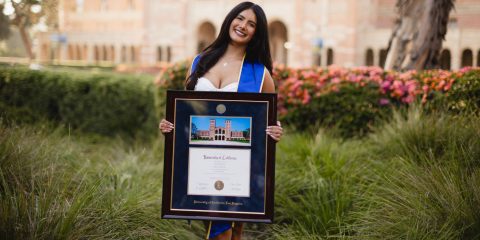
Eco-friendly framing means displaying assets with materials and methods used that don’t harm the planet. You opt for those made from responsibly sourced wood and/or recycled materials. Likewise, you pick frames finished with safer coatings and shipped with minimal waste.
A diploma frame becomes more than a decoration. It actually reflects what you care about. It might seem like a tiny decision. However, it’s a chance to put your money where your values are. This means celebrating an achievement while honoring the planet.
Fret not; this page is your practical guide to sustainable diploma displays. Learn what material types, production techniques, and standard certifications to consider when framing and displaying your diploma. Read on.
The Environmental Impact of Traditional Framing
Traditional framing often relies on virgin hardwoods and petroleum-based plastics. While it works, the cost goes beyond the price tag.
Take it from Vladyslav Sokol, CEO of Academy Smart. He has his fair share of experience using traditional framing for his earned diploma, industry certification, and other pertinent credentials.
Sokol says, “Traditional frames rely on three things: virgin timber, petroleum-based plastics, energy-intensive manufacturing. Every step…from logging to long-distance shipping…adds to the carbon load. The frame on your wall may have traveled across the world and left a trail of waste you never see.”
It’s no secret: deforestation remains a global concern. Poor timber sourcing fuels the problem. The UN’s Food and Agriculture Organization (FAO) tracks the pressure on forests and the need for responsible management to slow loss and degradation.
Further, transport compounds the damage. Moving heavy glass and wood across continents increases emissions. It’s safe to say that transport is a major source of CO2 globally.
Eco-Friendly Frame Materials, Production, and Certification To Consider
Sustainable materials for eco-friendly diploma frames
Materials matter. However, you have plenty of low-impact options. Choosing renewables and recycled inputs does most of the work.
- Bamboo — regenerates quickly and biodegrades. A grass can be harvested without replanting, which reduces pressure on forests
- Reclaimed wood — prevents waste and carries unique grain and tone. Your frame gets warmth while avoiding new logging.
- Recycled metal — lasts and uses less energy than newly mined metals. Recycling aluminum can save 95% of the energy compared with producing it from raw ore.
- Glass and plastic alternatives — include recycled glass, which reduces energy and raw material use. For plastics, some brands offer 100% recycled acrylic sheets.
Bamboo, reclaimed wood, recycled metal, and glass/plastic alternatives each bring their own character to a diploma frame. These materials prove you can have warmth and texture without pulling new resources from the earth.
The same mindset applies to other personalized products, such as custom t-shirts. Choosing recycled fabrics or organic cotton can help reduce environmental impact. This goal, while still creating something meaningful!
Whether it’s a diploma frame or another personalized product, businesses with sustainable materials and responsible production shine. They demonstrate that meaningful purchases can also support a healthier planet.
Eco-friendly production techniques
What a frame is made from is half the equation. How it’s made matters just as much. Production practices protect indoor air and cut energy use long before your frame reaches your wall.
- Low-VOC finishes – keep harmful emissions out of your home and the workshop. Safer paints and sealers matter for indoor air quality.
- Energy-efficient production – shrinks a product’s true footprint. Facilities powered by renewables and fitted with efficient equipment reduce emissions across the production line.
- Minimal waste packaging – means recycled and recyclable cartons, paper-based protection, right-sized boxes, and clear recycling labels. Programs like How2Recycle standardize labels, so you know what to do with each piece.
The cleanest material can still be ruined by a dirty process. Use low-VOC finishes to protect indoor air quality. Run your facility on renewable energy. Design packaging that creates almost no waste.
Certifications and standards for eco-friendly frames
Certifications help you cut through vague marketing claims. Here are some of the notable ones:
- FSC Certification (by Forest Stewardship Council) means wood products come from responsibly managed forests that offer environmental and economic benefits.
- Cradle to Cradle Certification evaluates a product’s whole lifecycle, from material health to circular design and renewable energy.
- Energy Star indicates energy-efficient buildings and equipment. If a manufacturer’s facility or core equipment carries ENERGY STAR credentials, it’s cutting operating emissions.
Labels like FSC and Cradle to Cradle exist because good intentions aren’t proof. FSC tells you the wood came from a responsibly managed forest. Meanwhile, Cradle to Cradle looks at the entire lifecycle. These certifications turn marketing promises into accountability you can actually trust.
That same focus on accountability shows up in modern education. It shifts toward learning by doing, focusing on practical analysis, case studies, and real experience over theory. This approach is common in sustainability, business, and real estate, including land investing education, where learners build decision-making skills through real-world scenarios.
How To Choose an Eco-Friendly Frame for Your Diploma
A few practical steps make it easier to stick to your sustainability goals without losing your style. Here’s how to pick a sustainable frame for your diploma:
- Evaluate material options. Consider durability, quality, look, and care. If you love an organic feel, reclaimed wood might be a good choice. If you want modern lines that last, recycled woods with metal furniture finish could be the answer.
- Research the manufacturer’s practices. First off, check their sustainability page. Then look for details on sourcing, finishes, energy use, and packaging. Remember: specifics beat slogans.
- Consider customization. A frame built to the exact size of your diploma eliminates extra mats and unnecessary trimming, reducing waste.
Custom framing matters, too. Why? Because a frame built to your exact size means less trimming and less waste. The goal is a piece that fits your style and your conscience equally.
Final Words
A diploma frame protects a milestone. It can also protect the planet a bit. That said, choose responsibly sourced materials and low-VOC finishes. Likewise, work with makers who care about energy efficiency and waste reduction.
How to start? First off, check materials. Likewise, look for credible certifications like those mentioned above (FSC and C2C). Lastly, what better way to uphold this than to support companies that share how they make what they sell?
Diplomaframe.com can help you pull off a sustainable diploma-framing and display solution. Its packaging is 100% curbside recyclable, and it offers a line of 100% recyclable wood moldings, with all raw materials sourced from companies that can provide proof of certification for sustainable forestry practices.