




Finishing a degree changes the timeline. For many veterans, it’s not just graduation. It’s another transition layered on top of military separation, relocation decisions, and career planning.
The first year tends to fill up quickly. Benefit windows close. Hiring cycles move in waves. Paperwork stacks up. Some deadlines are obvious. Others aren’t.
What makes this period different is that small delays compound. Missed paperwork slows hiring. Unreviewed benefits expire.
Licensing steps get pushed back. Administrative details that feel minor can quietly affect income, coverage, and opportunity.
Small tasks handled early prevent larger issues later. Organization matters more than speed.
1. Order Official Transcripts and Lock Down Your Records
Student portals don’t stay open forever. Order multiple official transcripts while everything is still easy to access. Employers, licensing boards, and graduate programs may require sealed copies. Digital confirmations help, but physical copies still matter in some industries.
Universities often highlight supporting those who served, but administrative systems still operate on deadlines. Once access closes, retrieving records can take weeks.
Check your name, major, and graduation date for accuracy before ordering. If something is wrong, fix it immediately. Corrections move slower after accounts deactivate.
Save everything twice. Cloud folder. Physical folder. Keep it simple.
2. Protect the Diploma and Back It Up
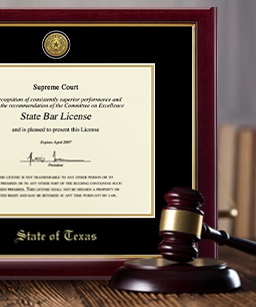
Framing the diploma isn’t just decorative. It protects the document.
Store the original carefully in a custom diploma frame and scan a high-resolution copy. If you relocate or change jobs frequently, physical damage is more common than people expect.
It also helps to keep academic award letters, honors distinctions, and dean’s list confirmations in the same folder. Those details occasionally matter during credential reviews.
3. Translate Military Experience Without Overexplaining It
Military language makes sense inside the military. It doesn’t always translate outside of it.
Rewrite experience in plain terms. Replace acronyms. Focus on scale and responsibility.
How many people were supervised? What equipment was managed?
What deadlines were enforced? What risks were mitigated?
Today’s digital learners often move between platforms, certifications, and fast-paced environments. Civilian employers expect similar adaptability, and they scan resumes quickly for relevance.
Avoid turning your resume into a military history lesson. Civilian employers scan for relevance.
If possible, ask someone outside the service to read your resume. If they hesitate or ask for clarification repeatedly, simplify it further.
Clarity wins interviews.
4. Rebuild Your Professional Network Intentionally
A LinkedIn profile should reflect where you’re going, not where you’ve been.
Update your headline with the role you’re pursuing. Add measurable achievements from coursework, internships, or service assignments. Connect with classmates and professors, but also reach out to Veterans already working in your target field.
Do not mass-connect randomly. Send short notes, mention shared background, and ask focused questions.
Networking feels awkward at first. It gets easier with repetition.
5. Use Campus Career Resources Before They Fade
Universities often provide alumni access, but engagement drops quickly after graduation.
Schedule resume reviews and mock interviews while the process is fresh. Ask about employer partnerships that actively recruit Veteran graduates. Many schools have quiet pipelines that aren’t obvious online.
Also ask about licensing guidance if your degree leads to credentialed work. Missing an application deadline can delay employment by months.
6. Track GI Bill Timelines and Adjust Early
GI Bill housing allowances and tuition payments follow structured schedules.
Confirm exactly when payments end. Not approximately. Exactly.
If graduation lands between benefit cycles, you may experience a gap before starting employment.
List out fixed monthly expenses. Include health insurance transitions, exam fees, and relocation costs. Many Veterans underestimate licensing or certification expenses tied to new careers.
If employment start dates shift, short-term budgeting adjustments prevent stress. A small cushion helps.
Waiting until the final month of payments to plan rarely works.
7. Organize DD214, Certifications, and Service Documentation
Your DD214 will be requested more often than expected.
Scan it. Save it securely. Keep multiple copies. Do the same with training certifications, awards, and clearance documentation.
If pursuing federal or contractor roles, confirm document formatting meets USAJOBS requirements. Some employers request very specific versions.
Replacing military paperwork can take time. Having everything accessible speeds hiring.
8. Reevaluate Long-Term Financial Protection and Benefits
Graduation often shifts financial responsibility.
Review retirement contributions, disability benefits, and insurance coverage. Life insurance options for veterans include Veterans’ Group Life Insurance (VGLI), which continues after separation, as well as private policies such as universal life that build cash value over time. For those who want to get covered without a checkup, simplified issue policies can provide faster access to protection while transitioning between careers.
Each structure works differently. VGLI carries escalating premiums over time. Universal life offers flexibility but requires long-term funding discipline.
Compare coverage amounts, conversion deadlines, and cost projections carefully. Some decisions must be made within strict time windows.
It’s easier to adjust coverage early than rebuild it later.
Keep the Year Structured
The first year after graduation is transitional by design. Applications, interviews, and paperwork overlap.
Handle documents first. Confirm benefit timelines. Clarify financial coverage.
Then focus on job search momentum.
Structure reduces friction. Momentum builds from clarity, not urgency.