








If there’s one thing that will always be true, it’s that your workforce needs the right skills to get the job done. Years ago, that often meant sending employees to training courses, tracking attendance, and hoping the lessons would actually stick. Today, simply delivering learning is no longer enough. Employers want proof that training leads to real skills employees can apply on the job, contribute to business results, and grow professionally.
Credential-driven training provides that proof. By validating skills with certifications, digital badges, and other recognized credentials, organizations can connect learning directly to performance, while employees gain recognition for their achievements and clear, actionable pathways for career development. Understanding this shift is essential for anyone responsible for workforce development or professional growth.

How credentials are changing the training landscape
Credentials like certifications, digital badges, and non-degree qualifications provide clear evidence that employees can perform meaningful tasks. Unlike a course completion record, a credential demonstrates skills that are recognised both internally and across the industry.
Consider an IT professional earning a cybersecurity certification; this shows they can handle real security challenges. Similarly, a project manager who completes a digital badge in agile methodology demonstrates practical expertise, not just theoretical knowledge.
Credentials also create opportunities for career growth. Employees can move into new roles or take on bigger responsibilities, and managers can assign projects with confidence, knowing team members have validated skills. Shifting to credential-based metrics gives you a clearer picture of workforce capability and a way to measure the return on your training investments.
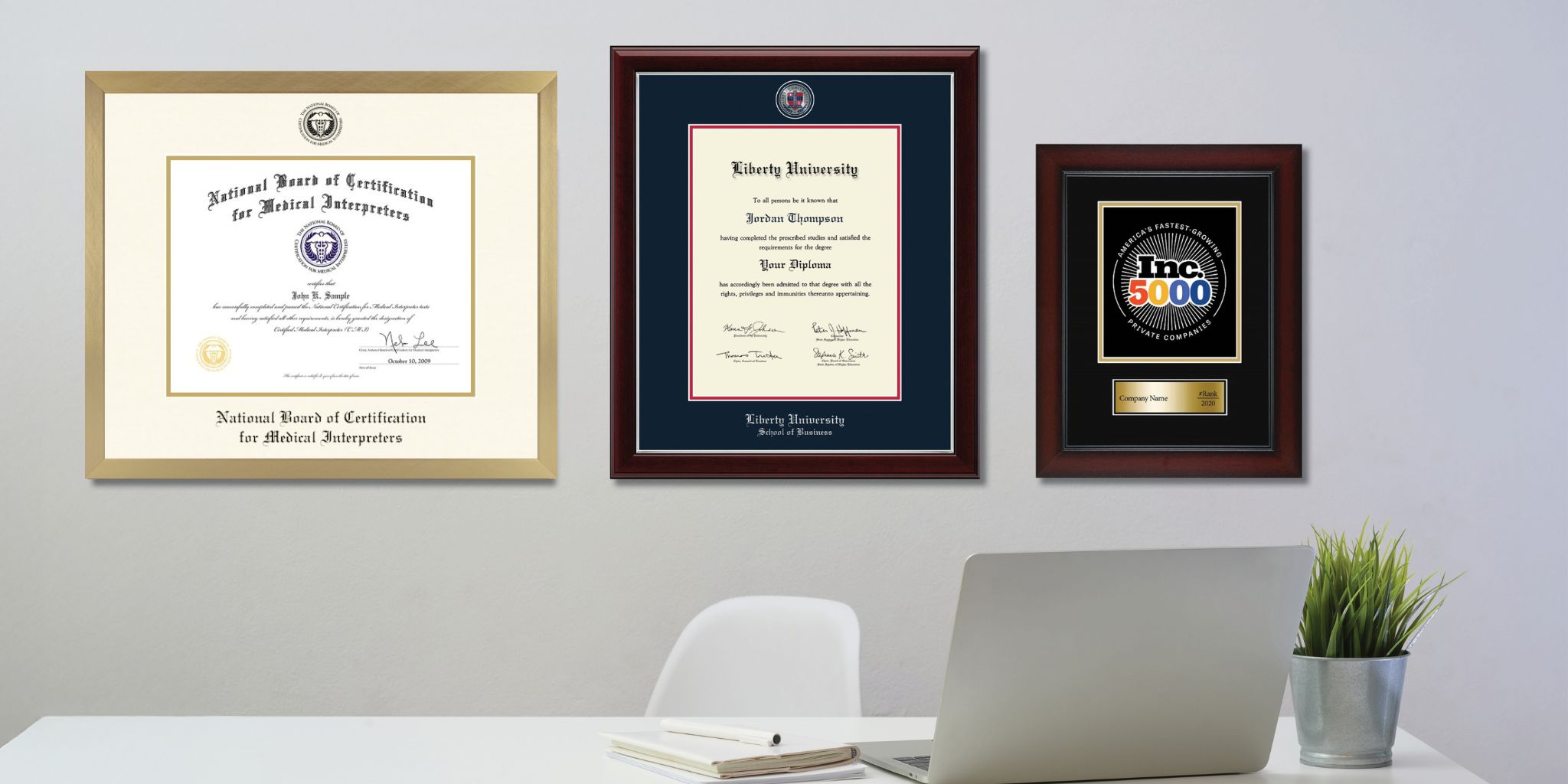
Tip: Framing certificates can make achievements visible across the organization, giving managers and peers a clear signal of verified skills and career progression.
Technology driving credential-based training
Digital tools are making credential-based training more practical, measurable, and scalable.
Modern LMS platforms and credential management
A learning management system, or LMS, is a platform that helps you organize, deliver, and track training across your organization. It’s where courses, assessments, and credentials are managed in one place, giving you a clear view of employee development.
As an example, when you use Kallidus Learn for training management, the platform allows you to issue digital badges and certificates, monitor progress along learning pathways, and generate reports showing how employees are applying their skills in real work. This makes it easier to see exactly what employees can do and where they may need support, while employees receive recognition for achievements and motivation to continue learning.
By combining structured course delivery with credential tracking, an LMS ensures that training becomes a measurable, scalable part of workforce development rather than a one-off activity.
AI and automation in credentialing
AI and automation can personalize learning and ensure consistent credentialing across your workforce. AI can recommend courses based on each employee’s skills and knowledge gaps, ensuring everyone receives the right training at the right time. Automation simplifies assessments and speeds up credential issuance while maintaining accuracy, and a writing helper can further support employees in developing clear, effective communication throughout their training and professional tasks.
For instance, AI can suggest a data analysis course for a team member with reporting gaps and issue a badge automatically once the course is completed. This removes administrative bottlenecks, keeps learning relevant, and ensures credentials are meaningful.
At the same time, using a tool for generating AI video, like Synthesia, can make credential-based training more engaging and practical. You can create short, scenario-based videos that show employees how to apply new skills in real-world situations. Instead of just reading about a process or attending a lecture, learners can watch techniques demonstrated step by step, which helps skills stick and builds confidence.
The growing role of digital badges and micro-credentials
Digital badges and micro-credentials allow employees to showcase specific, verifiable skills that can be stacked over time. This makes it easier to demonstrate mastery in broader areas.
Imagine a designer who earns micro-credentials in UX design, accessibility, and graphic design, each one proving competence in a discrete skill. For managers, this approach helps assign tasks based on verified capabilities, while employees gain tangible proof of progress that can be shared internally or externally. Micro-credentials also encourage incremental, continuous learning, helping employees grow their skills in a structured way.
Using credentials to strengthen workforce capability
Credentials can form the foundation of long-term workforce development. When integrated into training strategies, they create structured pathways for employees to grow, develop, and contribute more effectively.
Linking credentials to job performance
Validated skills have a direct impact on performance. A customer support agent who earns a credential in communication techniques is better equipped to handle challenging client interactions, which improves satisfaction and efficiency. Similarly, a sales representative completing a negotiation or advanced product knowledge certification can close deals more effectively and respond confidently to complex client questions.
Tracking progress and linking credentials to real work outcomes helps managers understand not only what employees have learned, but also how these skills are being applied on the job. This allows you to make better decisions about assigning responsibilities, identifying development opportunities, and measuring the impact of training across your team.
Creating structured pathways for reskilling and upskilling
Credentials help you plan clear, progressive pathways for reskilling and upskilling, giving employees a roadmap to grow their skills systematically rather than learning in a fragmented way.
When employees see each credential displayed—physically or digitally—it provides a clear record of progress along their learning journey, helping them visualize how each step builds toward career growth.
For instance, a marketing professional might start with a fundamentals badge, then progress to data analytics, and finally earn an advanced digital strategy certification.
Structured pathways also help employees understand how their learning connects to real opportunities within the organization. When people can see how completing one credential leads to eligibility for a new role, a higher responsibility, or a special project, it makes the learning experience more motivating and meaningful.
From a managerial perspective, these pathways allow you to align training with organizational priorities, ensuring that employees are developing the skills that matter most to your business. You can also identify where gaps remain and provide targeted support, whether through mentoring, additional courses, or hands-on projects, so the learning translates directly into improved performance.
Navigating challenges and planning for the future
Shifting to a credential-driven approach affects strategy, culture, and resources, so careful planning is required to make credentials meaningful and effective.
Overcoming adoption hurdles
Resistance is common. Employees may see digital badges or certificates as extra work, while managers may struggle to interpret what a credential represents in terms of performance.
You may have a team member who completes a cybersecurity micro-credential, but managers don’t know how to apply that skill in a real project.
Practical strategies include:
- Clear communication: Explain how credentials tie to promotions, internal mobility, or project opportunities.
- Guided support: Offer mentorship or coaching to help employees understand new learning pathways.
- Pilot programs: Start with a small team to test how credentialing works in practice before rolling it out widely.
Facing standardization and measurement issues
Not all credentials are created equal. Some are industry-recognized, while others may hold little value outside a single company.
Organizations must decide which credentials to prioritize and how to measure skill application. For instance, a project management certificate may require employees to complete tasks under supervision to truly validate competence, not just pass a test.
This requires connecting credential tracking to real-world performance metrics, such as project success rates, client feedback, or productivity improvements. Without this link, credentials risk being a “tick-box” exercise rather than a genuine indicator of workforce capability.
Balancing costs and accessibility
Implementing credential-driven training often comes with financial and logistical considerations. Licensing platforms, paying for certifications, or allocating staff time for assessments can add up. Smaller organizations may struggle to provide equal access to all employees.
A practical approach is to prioritize high-impact roles or critical skills first. For example, a company might focus credentialing on software developers and customer support agents whose skills directly affect revenue and client satisfaction, then expand over time.
What’s next for credential-driven training
Credentialing is evolving rapidly. We are seeing the rise of modular, stackable credentials that allow employees to build skill sets progressively. Employer-led frameworks are also becoming more common, giving companies the ability to create internal credentials aligned with strategic goals.
For example, a retail company might develop a “customer experience credential” combining modules in communication, conflict resolution, and product knowledge, giving employees a measurable path for growth.
Integrating learning with credentials
The most effective programs combine engaging learning experiences with meaningful credential validation. Courses alone aren’t enough, and credentials alone aren’t enough, they need to work together.
Organizations can integrate credentials by:
- Embedding skills checks or project-based assessments directly into courses
- Providing feedback loops so employees know how to improve before earning a credential
- Linking credential completion to tangible outcomes like promotions, role changes, or new project responsibilities
The goal is to ensure credentials reinforce learning and motivate employees to apply skills on the job, rather than simply collecting badges.
The value of credential-driven training today
By focusing on proven skills rather than course completion, organizations gain clear insight into employee capabilities, while employees receive recognition for achievements that support career growth and mobility.
Training becomes more targeted, motivating, and directly tied to real-world results. Credential-driven approaches ensure learning is meaningful and measurable, helping organizations build a workforce that is capable, confident, and ready for the challenges ahead.