




It’s not easy becoming an expert who people respect, and it’s not based on how long you have been doing something. There’s a lot of instances where it’s the small things you do that can set apart people who everybody looks up to and people who are just showing up for work. The way you act, your qualifications, and even your choice of words can all have an impact on how skilled you appear to be.
In a crowded marketplace, where talent is everywhere, these tiny nuances are your biggest competitive edge. They might be what gets you the client over a competitor, or what gets a colleague to defer to your opinion over another team member’s. These might be what gets you a job, or what gets you seen as a leader, rather than just another employee.
In this article, we’re going to look at the often overlooked nuances that can instantly boost your professional authority, and how to start applying them right away.
Your Physical Presence and First Impressions
Standing tall often speaks louder than words ever could. A strong posture builds trust long before introductions begin. Those who make it far plan each move like a quiet strategy. First glances stick – change takes effort most never give
According to Verywell Mind, to ensure your first impression carries weight, focus on these key strategies:
- Notice how you hold yourself when talking. Face people slightly, turning your shoulders their way. Closed-off positions send signals nobody asked for. Arms folded block connection without saying a word. Legs crossed tight do much the same thing. Stay loose. Let space between limbs stay open like doors meant to welcome.
- A slight tilt of the lips, held just long enough – shows you’re present. Not too wide, not forced, but steady like a quiet nod. This small curve speaks before words do. It settles the space between people without effort. Warmth hides in such stillness, not motion.
- Fashion matters. What you wear shows who you are and what moment it is. Outfits speak before words, so pick one that fits the work role and event weight.
- Listening closely can leave a strong impression. Pay attention, truly hear what someone shares. A moment of real connection often sticks in memory. Respect grows when people feel understood. Focusing on them, not yourself, shifts the dynamic quietly. Being present matters more than speaking well.
The Language You Use and What You Leave Out
Few things shape influence like picking the right words. People who carry weight tend to say exactly what they mean. Hesitation fades when claims come with proof behind them. Vague hedges such as “maybe” or “kind of” rarely show up in their speech. Clarity steps forward where doubt might linger.
What matters just as much is knowing what not to say. Sometimes quiet speaks louder than speech, showing awareness of feelings. This earns attention without asking.
Listening fully shows you understand feelings plus know what matters. Folks who tune in closely often seem more credible compared to those just talking over others. Getting good at paying attention takes doing it again and again until it fits naturally. Raising how well you hear others comes down to trying each chance like it reshapes the whole moment:
- Turn off your phone so you can listen fully. A quiet space helps keep focus where it belongs.
- Fidget less by skipping small actions, clicking pens, for instance, since these might seem like you’re distracted. How calm hands help your presence often goes unnoticed.
- Most folks trust someone who looks them in the eyes just enough: not too much, not too little. Around six or seven moments out of ten should feel natural. Staring nonstop feels odd; looking away constantly seems off too. Balance it like a quiet rhythm most won’t notice. That small habit quietly tells others you mean what you say.
- Listen fully instead of planning what to say next. Pay attention without thinking ahead. Stay present by letting go of replies before they happen. Watch how much more you notice when silence leads.
- Silence stretches out sometimes, but that pause matters. Instead of jumping in right away, let the conversation breathe. A gap opens: step into it then, not sooner. Listening first makes space for trust to grow. Words shared after waiting often land differently. Patience here speaks louder than ideas rushing forward.
Credentials and Advanced Specialization
Truth sits best on a foundation people can check. Even though how you work with others counts for much, papers signed by institutions say plainly that you’ve stuck through standards others trust.
Most fields see big gains when workers take extra training. Take health care. There, enrolling in geriatric NP programs opens doors like few others do right now.
One day soon, older adults will outnumber kids across America. That shift changes everything about how health workers do their jobs. By 2034, age sixty-five-plus will be more common than childhood, says Wilkes University. Care tailored to seniors stops being optional at that point. It becomes necessary simply because numbers demand it.
Out here, the rule stays constant. Picture a digital marketer who picks up data analytics skills; suddenly, they’re not just another face in the crowd. Or take an architect diving deep into eco-friendly city planning; that move speaks volumes. In each case, it’s less about adding lines to a resume. It’s more like saying, without words, I care how well this gets done. Credentials narrow down purpose. They show depth where others stay flat.
Proof You Can See
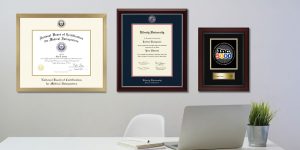
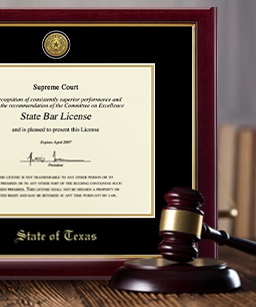
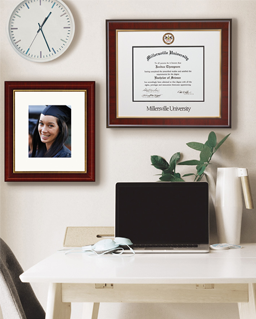
A shelf holding your diploma catches eyes before words do. Because credentials sit there, noticed quietly, they speak on their own when visitors enter. Trust grows easier when proof of skill shows up just by being present. First moments gain weight if evidence of effort sits in plain sight.
Picture this while on a call, seeing a clean certificate behind someone just feels right. During online meetings, it quietly speaks of trust and care. Not because it shouts success, but because it sits there, earned. That detail hints at dedication without needing words. It simply rests in view, saying you honor what you’ve done.
What matters most? A clear, thoughtful approach: never crowded or loud. Done well, tiny design choices speak of skill, care, and years behind them, setting you apart without force or show.
Doing What You Say Every Time
What builds real trust? Showing up the same way each day. Credentials might get a foot in the door, yet it’s steady follow-through that earns staying power. When plans are met without fanfare, when preparation is normal, others begin to expect competence before they even see it. Each kept promise, no matter how minor, adds weight to your name. Pride shows not in speeches but in quiet discipline, being on time because someone else’s schedule matters too.
One person’s reliability reflects what companies need overall. A PwC study found nearly every executive believes businesses must build trust. Because of this, most also see clear links between sustained confidence and stronger financial results.
Standing out gets easier when trust grows ahead of need. Proof of skill mixed with steady follow-through builds ground that holds weight over time. People who rely on you shift their thinking – no longer do they see someone good at tasks, but someone worth building around.
Digital Presence and Thought Leadership
Your influence today isn’t limited to office walls. Out there, online, how you show up tells people what you stand for professionally. Being visible and thoughtful in digital spaces marks you as someone who knows their area and stays engaged with it.
Most people think you need fame to lead thinking in your field. Not true. What matters is offering real value through what you share. Connection with others who do similar work shapes influence more than numbers ever could. Standing out online gets harder every day. A clear plan for how you communicate makes a difference. That idea comes from Forbes, watching trends across industries. Your message stays visible when it cuts through clutter on purpose.
A strong online presence starts with clear choices. One step at a time shapes how others see you. Doing what matters builds trust slowly. Staying consistent helps people recognize your voice. Choices today form tomorrow’s reputation. Small efforts add up when repeated. Visibility grows through steady output. People notice reliability more than flair:
- Start by sharing ideas rooted in real study. Build a few strong opinions, three or four works fine, that reflect what you know best. Let each one stand on proof, not guesswork. These thoughts should show up naturally when you post online.
- Over time they become familiar, without needing repeats. What matters is speaking only when the facts back you.
- Let curiosity lead. Invite people to step into the experience, not just watch it. This kind of involvement grows real closeness over time. Engagement shifts when they do more than respond, it becomes part of the story. Real bonds form through moments where attention turns active. Watching fades; doing stays.
- Start by reaching out to voices that match your ideas: Team up for shared pieces or talks. This opens doors to fresh listeners through mutual trust instead of solo effort. Pairing with peers multiplies visibility without stretching yourself thin.
- Start by tapping into AI. These tools can spot patterns across industries instead of guessing on your own. They check if your concept fits what is happening now. Ideas gain strength when reality backs them up.
Frequently Asked Questions
Maybe tiny shifts in what you do change how strong you look at work. A slight pause before speaking might carry weight. Shifting posture could alter perception slowly. Quiet confidence often speaks louder than loud claims. Subtle habits build up without notice. Looks matter less than consistency over time.
Here’s the thing: How someone moves their body, picks words, or sticks to routines quietly tells others whether they’re seen as capable or reliable. A slight tweak, like choosing clearer phrases instead of vague ones while actually doing what was promised, changes reactions around them. People start looking different at you when actions line up day after day. It’s less about big moments, more about steady patterns showing up over time.
How do geriatric NP programs specifically increase professional authority in healthcare?
Older adults need focused medical attention, and geriatric nurse practitioner courses build that exact skill. Since demand keeps rising, these programs meet a real-world gap few address. Training like this shows others you know what you’re doing, plain and simple. People listen closer when they see you handle tough aging-related issues with confidence. In hospitals, clinics, or home care, that kind of reputation sticks.
A solid online footprint: Does it really build trust like word of mouth once did? Or does standing tall in person still speak louder than any profile ever could?
One matters more now, being seen where it counts. Your reach grows when others spot you online, even if they do not know you personally. Take someone scanning profiles; they trust what they can verify. Missing from that space? You fade fast in many careers.
What shows up under your name shapes how far your influence travels.
Achieving respect in your field usually does not come from one big moment. Instead, it builds slowly through repeated thoughtful decisions. The way you carry yourself matters, just as much as the clarity of your words. Dependability shapes perception, while consistent learning deepens credibility. Over time, these quiet efforts add up more than any spotlight ever could.
Start anywhere, really. Peek under the surface of what you’ve ignored so far. Tweak how you speak, back it up with proof, then repeat until it sticks. Show up regularly, face-to-face or on screen, like the version of you who already made it. Power doesn’t come from shouting. It grows quietly, shaped by choices most wouldn’t notice.