







AI now shapes the way people write, learn, apply for work, and prove what they know. A student can draft an essay before a lesson ends. A job seeker may sharpen a cover letter with a chatbot. Yet the same tools can hide fraud. Someone can attach a forged diploma that looks convincing. Schools, employers, and verification teams must respond with care, protect trust, and avoid unfair accusations against honest people too.
AI detection tools and diploma verification standards now work side by side. One checks the possible source of written work. The other checks the truth of academic records. Together, they help organizations review documents with more care. They also show that digital trust now depends on evidence, context, and human judgment.
Tools That Review Text and Records
Schools and employers now use several tools to assess written content and submitted documents. Some systems compare text with known sources. Others look for patterns that may suggest machine-written work. Document review platforms can also inspect file history, metadata, formatting, seals, signatures, and layout. In this process, a reviewer may use the Getsolved application for AI detection as a tool that can help identify whether written materials may contain AI-generated text. It can support an initial review of essays, statements, reports, or application materials. It also helps institutions, recruiters, and verification specialists decide when a closer human review is needed. The benefit lies in risk screening, not final judgment.
Many people ask, what do professors use to detect AI? They often use a mix of plagiarism checkers, AI text detectors, learning management system logs, draft history, oral exams, and their own knowledge of a student’s voice. A professor may notice a sudden shift in style. A recruiter may see a polished statement that does not match the interview. A credential evaluator may compare written claims with official records.
The key point is simple. No tool should decide alone. A strong review process uses software, source checks, and human expertise.
How AI Text Review Works
People often ask, how do AI text detectors work? Most tools study patterns in text. They may review sentence structure, word choice, predictability, rhythm, and other signals. Some models estimate whether a passage looks more like human writing or machine output. Others compare the text with known AI patterns. An AI checker can support this review by flagging passages that show characteristics commonly associated with machine-generated writing, giving reviewers another signal to examine alongside context and human judgment.
This leads to another common question: can AI be detected? Sometimes, yes. Yet the answer is not absolute. AI text can be edited. Human text can also look formal, smooth, or predictable. A short paragraph gives less evidence than a long essay. Technical writing may create false alarms because it often uses fixed terms and clear structure.
That is why schools and employers should treat AI detection as a signal. It can raise a question. It cannot prove misconduct by itself.
Diploma Verification Standards
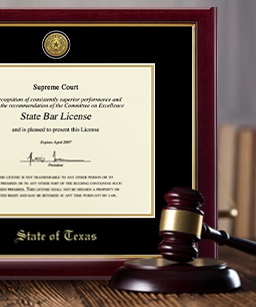
Diploma verification follows a different path. It asks whether a qualification is real, issued by a recognized institution, and linked to the right person. Verification services usually check several details:
- the name of the institution;
- the student’s full name and date of birth;
- the program title and degree level;
- dates of study and graduation;
- official stamps, seals, and signatures;
- accreditation status;
- transcript records;
- direct confirmation from the issuing institution.
Credential evaluators also review foreign diplomas. They compare a degree with local education frameworks. For example, an employer in one country may need to know whether a foreign bachelor’s degree equals a local bachelor’s degree. This requires knowledge of education systems, grading scales, and accreditation rules.
Some people ask, does a global reference database check for AI? In most cases, no single global database checks all academic work, diplomas, and AI content at once. Some databases store verified credentials. Others track plagiarism or publications. AI detection tools review writing patterns. These systems may connect in the future, but today most checks still rely on several sources.
Fraud Risks in Academic Records
Diploma fraud can take many forms. Some people alter a real diploma. Others invent a university, buy a fake certificate, or change grades on a transcript. A candidate may also claim a degree they never completed. In international recruitment, fraud can become harder to spot because names, formats, seals, and languages differ.
Common warning signs include:
- unclear institution names;
- missing registration numbers;
- inconsistent dates;
- poor-quality logos;
- strange grade formats;
- mismatched fonts;
- unverifiable contact details;
- documents issued by unrecognized schools;
- claims that do not match public records.
Technology helps reviewers find these problems faster. Optical character recognition can extract text from scans. Databases can compare names and dates. Digital credentials can use secure links or blockchain-style records. Email domain checks can confirm whether a contact address belongs to a real institution.
Still, fraud review needs care. A small formatting issue does not always mean deception. Older diplomas may look different from modern ones. Some countries use paper systems. Some institutions close or merge. A fair process allows applicants to explain.
Accuracy and Limits of AI Detectors
People often ask a fair question: how reliable are AI detectors? Others ask it more directly. Are AI detectors accurate? Do AI checkers actually work? The answer is not clean. These tools can help, but they can also misread text. Length, language, subject, model, and later edits all affect the result.
A detector may mark a careful essay as AI because the grammar looks too neat. It may miss chatbot text after heavy revision. Non-native writers can face extra risk, since their style may sound controlled. Schools should use scores as clues, not verdicts, and set clear rules.
A good policy may include:
- no punishment based only on a detector score;
- human review of the full assignment;
- comparison with earlier work;
- a chance for the student to respond;
- clear rules on allowed AI use;
- records of drafts, notes, and sources.
This approach protects integrity and fairness at the same time.
Practical Examples
In higher education, a professor may review a final essay with an AI detection tool. The score looks unusual. Instead of issuing a penalty at once, the professor checks the student’s drafts, asks about sources, and holds a short oral discussion. The student explains the argument clearly and shows notes. The case may close with no sanction.
In professional certification, a candidate may submit a portfolio and a training certificate. The review team checks the certificate with the provider, compares dates, and reviews the written portfolio for possible AI use. If the writing seems generic, the team may ask for a live skills test.
In recruitment, an employer may receive a diploma, transcript, résumé, and cover letter. HR then confirms the degree with the university or a credential service. It compares the cover letter with interview answers too. This careful check limits fraud, yet keeps recruitment fair and human.
Digital Trust Needs Human Judgment
Technology now plays a major role in education and recruitment. It can detect patterns, compare records, and reveal inconsistencies. It can also save time for busy teams. Yet trust cannot come from software alone.
AI detection tools help reviewers ask better questions. Diploma verification standards help them confirm facts. Together, they create a stronger process. The best systems combine official records, secure technology, clear policies, and human review.
Conclusion
AI-generated content and diploma fraud both challenge academic and professional trust. They differ, but they often meet in the same file: an application, an essay, a portfolio, or a certificate package. Institutions need tools that review text. Employers need standards that confirm credentials. Verification services need both.
The future will not depend on one perfect detector or one global database. It will depend on careful checks, fair rules, and transparent decisions. When organizations use technology with judgment, they protect honest learners, qualified professionals, and the value of real education.