



Most students see studying as something to get over with. The goal is to complete—the chapter, the paper, the semester. But the students who genuinely like the process, and who remember what they learned, tend to do so differently. They make the procedure worth turning up for.
No flawless setting or beautiful desk is necessary for that shift. It begins with the little choices: how you start a session, how you track progress, how you recognize what you’ve accomplished before moving on to the next thing. A workspace celebrating academic accomplishment isn’t about aesthetics. It’s about creating an atmosphere that respects your study and helps you do the same.
What Makes a Study Space Motivating
How you feel about your work is determined by your working environment. That is not motivation theory. That is just an observation. A cluttered, gloomy, uncomfortable space zaps energy before a session begins. A space that has been planned for, even a little, does the opposite.
Some things always make a difference: natural light, or a warm desk lamp angled just so; a surface that’s clear before you sit down; at least one object in your line of sight that matters to you. That last bit is more important than people realize. A photo, a handwritten note, a little reminder of why you’re doing it—they aren’t decorations. They are anchors.
Seeking Assistance When the Process Gets Tough
Academic advancement is almost never linear. Some periods are productive and lucid. Others require an outside perspective—not because there is something wrong but because growing better at anything often entails understanding how it is done correctly.
Good writers get better by reading good writing. Good thinkers grow by confronting well-structured arguments. Sometimes students want to see how a paper should sound – structurally, tonally, and in terms of creating content based on data. For others, searching “write my essay” and using the result as a specific beginning point is useful. You get an actual sample of logically structured arguments and high-standard content to work from, with reliable quality from a human writer. It is good to identify platforms with clear service policies and stable quality. Additionally, practical value is added by free tools such as citation generators and plagiarism checkers.
The process of study is cumulative. Each reference point that elevates your standard becomes a part of how you write and think from that point forward.
Milestone Celebration Rituals
Progress is slow and quite easy to miss. One approach to make it visible is through tiny rituals that signal changes—between sessions, between weeks, between milestones.
Some students tick off items on a physical list at the end of every study session. Others take five minutes to write down one thing they understand today that they didn’t yesterday. Neither requires much time. Both make a record of motion that’s easy to miss when you’re focused solely on what’s left to do.
Here’s what tends to work:
- Begin each session the same way: a certain song, a cup of coffee, a two-minute review of what you covered last time. Consistency tells your brain it’s time to get serious.
- Keep a visible record of the minor triumphs: a simple checklist, a habit tracker, even a jar where you deposit a marble for each chapter you finish. Watching progress build is motivating.
- Give yourself a planned finish. Close your notes. Clear the desk. Write one sentence describing what you got done. The session has a form.
- Celebrate completions differently than progress. Finishing a chapter is one thing. Completing a semester is something else. Both are well-deserved, but in different ways.
What to Have in a Motivating Study Space
The objects around you when you study are more than just filling space. Every one either adds to the environment or subtracts from it, and it’s worth being deliberate about which is which.
Things That Inspire
Inspiration in a study space is not an abstraction. It’s particular. A quote that really means something to you—not a generic poster—hung up somewhere you’ll notice it. A book from someone whose work you admire. A picture from a time you remembered why education is important to you personally.
The goal is not decoration. It resonates. Something on your wall or desk that doesn’t do anything for you when you look at it is just noise.
Things That Orient
A physical calendar of your present semester mapped out. Deadlines approaching, dates of exams, milestones for projects. Not in your phone, but somewhere you notice it without looking for it. Knowing the timeline takes away the low-level tension of not knowing when things are due.
Things That Recognize
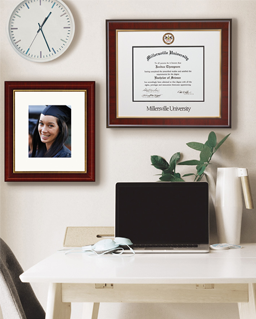
This is where the achievement display gets its place. A framed certificate from a finished course. An email printout from a professor who stated something noteworthy about your work. A modest trophy or ribbon from a competition, even an old one.
These are not there to dazzle anyone that comes to your room. They’re there to remind you that you’ve done hard things before and that the work you’re doing now will someday be added to that collection.
Display Type | What It Communicates | Best Placement |
Framed certificate or diploma | Milestone achieved, formal recognition | Eye level, in plain sight |
Checklist or progress board | Current momentum, upcoming steps | Side wall, easy reach |
Personal photo or keepsake | Connection to purpose | Desk corner or shelf |
Printed work you’re proud of | Proof of growth | Pinboard, beside desk |
Quote or note | Daily orientation | Above the monitor or desk lamp |
Building a Habit of Noticing Progress
The largest impediment to celebrating academic accomplishment is not motivation, but attention. Students go fast from one thing to another without pausing to register what was recently finished. Chapter done, so on to the next. The paper’s submitted, now there’s another task.
That pace is to be expected. But it affords very little space for the internal affirmation that develops authentic confidence over time. The students who feel good about their academic path—not just pleased to be done—are often the ones who’ve created modest moments of acknowledgement along the way.
Your workspace can help with that. Not because a framed certificate encourages you to read more carefully, but because it reminds you that work yields outcomes. Whatever you do in the following hour will eventually be something worth putting on a wall.
Keep building. Keep noticing. The progress is already there—it just needs somewhere to land.