




Many factors have contributed to the increase in trained home health aides, such as the increasing older population, and preferences for living at home rather than in institutional facilities. As more and more older people seek specially targeted assistance in their daily routines, caring for the elderly is an indispensable part of the health care system.
Families would also like professionals who are compassionate and ensure that family members stay independent. Having been educated and certified can give clients better assurance that the caregiver has the expertise to deliver care of good quality.
There are continuing job prospects available in the nursing sector. The information that people gather about what the home health aide career involves, and how to enter the profession, can help them decide if that position is a good fit for them.
How Can You Become a Qualified Home Health Aide?
Many employers and clients value candidates who complete structured training before entering the workforce. Earning a home health aide certification online through a recognized educational program can provide foundational knowledge, demonstrate commitment to professional standards, and prepare students for the responsibilities of the job.
Courses may also include information on safety, communication and ethical issues, as well as practical care giving concepts. Formal coursework can also be a way to make applicants more competitive in the expanding job market.
Topics commonly covered include:
- Personal care techniques
- Infection prevention
- Patient communication
- Nutrition basics
- Emergency procedures
Building these skills early creates a stronger foundation for long-term success.
What Does a Home Health Aide Do Each Day?
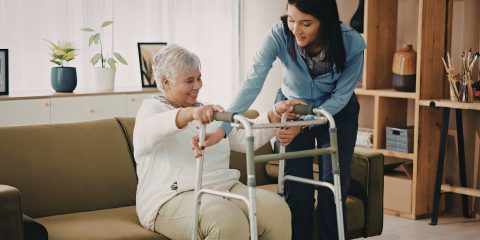
Home health aides provide support for activities of daily living to clients to enable comfort, safety, and independence. Tasks may involve personal care and companionship and may be different for each person.
Many aides also observe changes in a client’s condition and communicate important information to family members or healthcare professionals. Strong attention to detail and empathy are valuable qualities in these situations.
Typical daily responsibilities may include:
- Assisting with bathing
- Preparing meals
- Helping with mobility
- Monitoring routines
- Providing companionship
Every interaction contributes to improving a client’s quality of life.
Why Is Demand Continuing to Increase?
There are signs of population growth that show older adults will continue to increase in the years ahead. Consequently, there is an increasing need for in-home care for senior citizens rather than moving family members to a long-term care facility.
Improvements in health care have also allowed more people to live longer with long-term health conditions at home. Home health aides are one of the key contributors to meeting those continuing needs.
Several factors contribute to rising demand:
- Aging populations
- Longer life expectancy
- Preference for home care
- Chronic health conditions
- Family caregiver support
Together, these trends create strong opportunities for trained professionals.
How Does Certification Build Trust?
Certification is a sign of a caregiver’s commitment to learning industry standards and best practices. Formal training can be seen as proof of readiness and professionalism by clients and agencies.
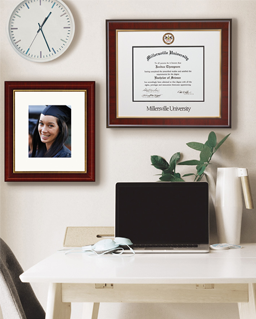
Having certificates on display in a home office or agency lobby can also play a part in establishing credibility when you are engaging in a consultation. Acknowledge educational qualifications can help to ease family concerns when they are choosing a caregiver.
Benefits of certification include:
- Greater credibility
- Enhanced knowledge
- Professional confidence
- Improved employability
- Client reassurance
Continuing education can further strengthen long-term career prospects.
What Skills Help Home Health Aides Succeed?
While technical skills are crucial, interpersonal skills may be the key to setting a professional apart as a super caregiver. Positive relationships with clients and families are developed through compassion, patience and effective communication.
Flexibility is also important as each client will have their own preferences and care needs. Effective aides stay engaged and are professional, yet showing genuine empathy.
Highly valued skills include:
- Active listening
- Time management
- Problem solving
- Dependability
- Emotional awareness
Developing these qualities supports better outcomes for everyone involved.
Meeting Tomorrow’s Care Needs With Proper Training
As more people seek to receive personalized care in comfortable environments, the need for trained home health aides should continue to be robust. This fulfilling career is achieved through education, skills, and service directed towards caring.
For those wanting to pursue a career in the industry, exploring different Business Ideas and structured training programs can help individuals identify rewarding opportunities while gaining the skills and confidence needed to succeed in caregiving roles. There are organizations out there that can assist future caregivers to learn about the course by providing them with online learning tools and opportunities for home health aide certification. An example of this is NCO Online Academy.