





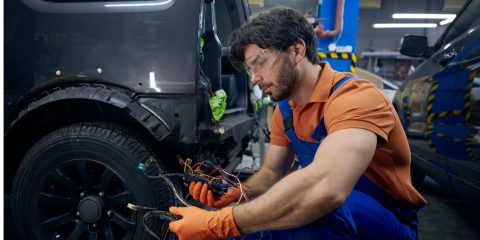
The US has more than 290 million cars on the roads. Whereas the average driver treats the area below the hood as a maze of puzzles of plastic coverings and sensors, graduates of trade schools perceive a rational system that is to be optimized.
A degree in automobile technology or mechanical engineering is not merely a profession. It is a permanent license, which saves money and leaves you with complete control over your own transportation.
The shift in the classroom workshop to a home driveway can be smooth as trade schools pay more attention to spatial thinking and tactile sensations. The cars of today are nothing more than computers on wheels, yet the basic physics of combustion and suspension are the same. A certified technician has an element of diagnostic discipline when they approach a personal project that an untrained hobbyist can not imitate.
The Technical Edge of Certified Graduates
The financial benefits of handling your own repairs are massive in a landscape where labor rates continue to climb. And with long-term car ownership costs ranging from $5,260 to over $19,000, according to Consumer Reports, the DIY approach offers significant savings.
Trade schools drill the importance of sequence and torque specifications into every student, preventing the common “expensive mistakes” that plague most beginners, such as stripping threads or snapping bolts. A graduate understands that the right tool for the job isn’t a suggestion, but a requirement for safety and longevity.
If you are just starting to apply your skills to your own vehicle, you need a manageable project to build momentum. One of the most rewarding tasks for a new tech is maintaining and changing brake pads because it offers immediate results in vehicle performance. Beginning with a modest yet vital job eases you into a lifelong process of learning and applying your practical abilities.
Becoming a self-sufficient mechanic requires a few foundational assets:
- A high-quality socket set with both metric and standard measurements
- A calibrated torque wrench to ensure all fasteners meet factory safety specs
- Heavy-duty jack stands that provide a stable environment for under-car work
Why Precision Beats Guesswork
Diagnostic speed is the true divider between a parts-changer and a mechanic. In a formal training environment, students learn to use professional scanners and multimeters to trace electrical ghosts. The industry shift toward complex electronics has made formal training more valuable for personal car ownership than ever before.
You already have the muscle memory required to navigate a cramped engine bay. While a neighbor might spend three hours watching videos to find a fuel filter, a trade graduate identifies the fuel rail and follows the lines instinctively. Such efficiency allows you to treat car maintenance as a quick weekend hobby rather than a stressful, multi-day ordeal that leaves the car immobilized.
The ability to read a wiring diagram or a hydraulic schematic transforms a vehicle from a “black box” into a series of solvable puzzles. You aren’t just guessing which sensor is bad; you are testing resistance and verifying voltage. This analytical approach ensures that every dollar spent on parts is a direct investment in a known solution, just as investing in a degree pays off with improved earnings down the line.
Mastering Your Own Machine
The more vehicles are becoming computerized, the more your practical training will be worth. The most sophisticated electric cars still have the old fashioned steering, braking, and cooling mechanisms. You have been trained to fill in the gap between the mechanical past and the high-tech future.
Taking care of your own car provides a sense of pride that no dealership receipt can match. You know exactly what went into the repair, and you know it was done to your own exacting standards. For more insights into the benefits of completing trade school courses and the upsides of furthering your education and training, no matter which niche you choose, read more posts on our site.