



We have entered a new era for education. Gone are the days when educators used to drill information into a student’s memory through rote memorization and rigid curricula.
The new generation of students are digital citizens who have grown up alongside the evolution of technology and have learned to utilize it at a fundamental level, better than many of the educators who have been teaching for decades.
Not only will the traditional teaching methods fail to help them learn, but it will also be met with a lack of engagement and heavy resistance from the students. And as education evolves, not just due to technology and circumstance, but also because of the lack of effectiveness, educators will also have to advance with them.
Understanding the New Generation of Learners
At the undergrad and graduate levels, the current generation of learners are Generation Z. These are people born between 1997 and 2012.
So, until the children born in 2013 graduate in 2031, the only generation that professors need to be concerned with for the next five years is Gen Z. They are the first generation to be real digital natives, with technology having a profound impact on their lives since birth.
Due to this, technology has shaped how they think, what they prefer, how they tend to live their lives, and most importantly, how they learn.
Here are a few things you need to know about this generation:
- Gen Z is technologically fluent and shows remarkable ease in understanding and using various software and devices.
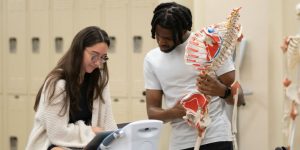
- Even if digitally reliant, they believe in hands-on learning, and especially the involvement of technology.
- They are notably self-reliant and like to collaborate with technology. A specific study found that 80% of Gen Z students prefer studying with their friends, as it makes the experience more enjoyable.
- They prefer to learn visually, having grown up with smartphones and access to social media and online video content.
- Because they grew up with a plethora of choices, they prefer to personalize every experience, including how they learn.
- This generation has noticeably shorter attention spans. Since they tend not to waste more than a few minutes on one screen, video, etc, they need engaging teaching methods that grab their attention and keep them hooked.
By understanding the characteristics that make them different, educators can better adapt to their learning styles and curate how they teach accordingly.
Adapting Teaching Methods to Digital Learners
Now that we have learned more about this generation of learners, let’s explore how professors can adapt to the modern teaching methods that are necessary for digital learners.
Making Classes More Engaging
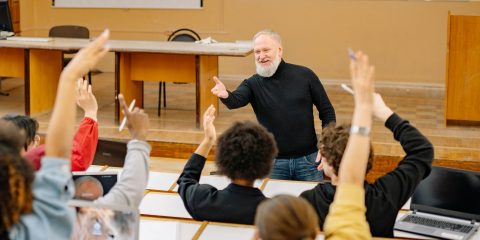
This generation, with their short attention span, will get bored easily with long, boring lectures. If you don’t want their attention to drift off to their phones and their virtual lives, you need to be able to keep their attention on you. This means you must make your delivery method more dynamic.
You will have to get their attention and keep it on yourself. The best way to do this is by meeting them at their level. While teaching a concept, consider bringing in examples that they can relate to.
If you are not into popular culture or mainstream social media, reconsider your lack of interest, because knowing about the trending topics, memes, etc, keeps you relevant and engaging.
When you can relate important concepts to trending topics, it can help you make your class more interesting to digital learners.
Stay On Top of Education Technology
Whether the university is pushing new technology onto your teaching process, or new tools are available that your peers are already using, you should learn as much as you can about any new software or device that is available for smoothing out the teaching process.
In most cases, institutions will provide modern teaching solutions for you, like Learning Management Systems, tutor chatbots, or even something like Canva. In more advanced scenarios, learners may also explore services that let them write my paper with academic writers while using tools such as AI writing detectors to ensure authenticity and accuracy with their final output.
In any case, you should not resist technology. Instead, consider learning about as many new software, devices, and tools as are available.
Keep an eye on what’s new that’s available in the market for education, and learn the ins and outs of those tools. The development of technology is an upward curve, and it trying to keep up, you will be able to climb up riding the flow.
Also, with this generation of students, you need to be digitally literate. You cannot teach them without knowing all the technology that they know and love so much.
Include Visual Aids
This generation of students are into visual learning. So, when teaching them about topics, consider as many visual aids as you can provide. Think videos, you will find many on chosen topics on platforms like YouTube and even Facebook, or TikTok.
You will find them appreciating infographics, tables, and even images that tell them about the topic instead of hours of lectures. Showing them what you are trying to explain may help them learn it faster.
Digital learners are so used to consuming visual content that presenting them with educational material in short-form content or even memes can make learning smoother and may help them retain the information for longer.
Hybrid Learning
While in some cases, hybrid learning is not an option, many programs now offer both online and offline sessions. Some also offer hybrid sessions, allowing more flexibility and custom learning plans.
Some Generation Z learners prefer offline classes, and hybrid learning is a great option for them as it gives them the opportunity to be autonomous and become more collaborative.
Personalized Learning
The digital learners of today prefer personalization. The more curated the study material, the more prone to learning they would be. The best part about modern learning is that various LMS give you valuable student data.
Such data can help you understand where the students are facing trouble and what can help them eliminate issues and become better at understanding and retaining study materials.
This is a great way to meet the students at their learning level and help them gain more knowledge by curating what and how they learn.
Not all students will reach out during lectures when they don’t understand something. In such cases, AI tutors can be an invaluable partner for the instructors.
Often integrated within an LMS platform, students can reach them after hours and learn the things they couldn’t clearly understand during the lecture.
Gamification in Education: A Feedback Loop
Gen Z is a generation that grew up with gaming. The typical model of gaming includes scoring points, competing with others, and following specific rules of the game.
If you integrate game-design elements in learning, like earning points, creating and maintaining leaderboards, badges, or even designing study materials in a way that tells a story, students would become more engaged in classes and in learning.
When the classes become more interactive and almost like following a quest, where you get immediate feedback, especially when performing low or making mistakes, and learn from it to level up, the students would have more incentive to follow along and learn.
Flipped Classroom
This generation of learners doesn’t like the idea of being controlled, but what if you could use this to your advantage and help them learn better?
Professors can try out a flipped classroom model where students can learn the study material before coming into class. Then, during class, they can engage in various ways to apply the knowledge to test how much they have learned.
There can be group discourse and debate, a pop quiz where they might question each other, and even give their own lectures on what they know, which may help others learn.
This kind of model helps students learn through engagement and collaboration amongst themselves, where the instructor becomes the moderator.
Project-based Learning
Digital learners prefer being more hands-on with their learning. When the study content is applied in a real-world situation, they feel like they are learning something worth their time.
They prefer the experience over lectures, as they learn from watching the process. And being directly involved encourages them to think critically and demonstrate the information they have learned and the skills they display.
Giving them more autonomy with their project can allow them to become more innovative and encourage them to take ownership and give it their best effort.
Final Thoughts
If they are going to successfully help this generation of digital learners become educated, professors need to understand how they tick. It is no longer just about becoming digitally literate; you must actively become part of the life they experience, to become relevant to them and keep them engaged during class.
Using various methods of learning and study techniques that apply to their consumption style can help you teach them better and help them retain the information that they are learning.