



Browse through any social platform today and see something interesting: ads no longer proclaim their presence. They have become indistinct. They resemble posts from friends, creators, or brands just “vibing” on social platforms. This phenomenon is not random; rather, it is an answer to how we engage with content today: quickly and intuitively, making snap decisions as to its authenticity.
By leveraging an image-generating tool such as an AI image generator, brands are purposefully creating imagery that now feels more like it could be part of “real life,” as opposed to slick marketing efforts.
The role of platforms such as Dreamina in this context cannot be overstated, as they allow creators to design their advertising in a way that maintains the same feel as other content on social media, similar to the approach taken by Fivecube – design agency, which blends creativity with seamless user engagement.
The death of the obvious ad
Even in the past, there was a point where the advert aimed to be loudly attention-grabbing. The use of bold fonting, posing, and a gloss finish seemed to scream “Look, this is advertising.” Now it’s more of a surefire way to have audiences scroll right past it.
Users have acquired a kind of visual instinct. They accept content that resembles spontaneous, familiar, and human-like communication. That’s why advertising campaigns are turning to the visual language that users are familiar with in their own posts—handheld camera angles, conversational language, and a setting that looks like it’s been inhabited.
From the polish of perfection to the reality of realism
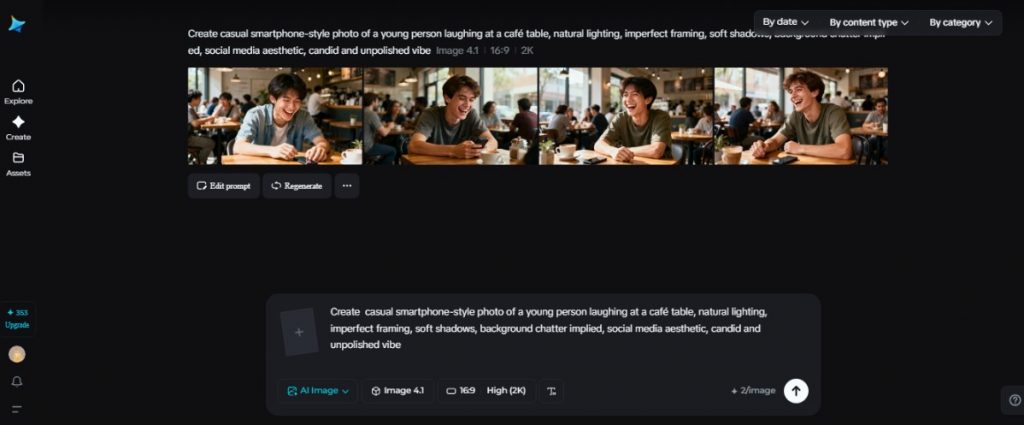
Perfect lighting and perfect composition can create distance. A touch of blur, an uneven frame, or a natural shadow will accomplish the opposite—they will convey authenticity. Thus, brands have come to intentionally create imagery that has a ‘could’ve been’ quality.
This realism helps viewers project themselves into the scene. Instead of listening to a brand talk at them, audiences feel like they’re observing some relatable slice of life.
Common characteristics in this new aesthetic include:
- Using natural lighting instead of studio setups
- Everyday venues such as bedrooms, a café, or even sidewalks
- Expressions that are not staged but appear natural and spontaneous.

The scroll-first mindset: Ads that act like content-not commercials
Social platforms reward content that earns attention, not demands it. Ads that look like posts perform better because they follow the same unwritten rules as organic content. They don’t interrupt the feed—they belong to it.
This, therefore, means that advertisements are made to:
- Tell a story instantly
- Feel native to the platform’s style Instead
- Invite curiosity rather than push a message
Brands aren’t stripping away the intent to market; they are merely camouflaging it behind storytelling and relatability.
When video ads cease to look like ads.
Short-form video accelerated this shift. Instead of traditional commercial pacing, brands now create content that feels indistinguishable from creator uploads, behind-the-scenes clips, or spontaneous reactions. With an AI video generator, marketers can create videos from text prompts or reference images that mimic organic social clips without needing resource-intensive production.
Using an AI video editor also makes it easy to refine these clips by adjusting timing, visuals, and even add subtitles to your video for silent scrolling. Subtitled videos feel more native in social feeds, helping brands maintain an authentic, creator-like style while improving clarity and engagement.
These are not videos about kitted-out effects but rather about tone. The pacing, framing, and mood feel so everyday-users are already used to it while watching.
Sample video prompt: Vertical, smartphone-style footage of a person casually unboxing a product on his bed: natural morning light, relaxed movements, subtle smiles. Very few edits, almost feels like a personal social post rather than an ad.

The rise of creator-coded visuals
The creators set the visual tone on social media. Their content tends to be personal, opinionated, and genuine. Brands learn from this, and they know that emulating this kind of style-never truly copying from creators-helps ads feel more trustworthy.
This impact manifests in:
- Viewing angles from first-person
- Conversational Framing
- Visualization and storytelling vs. hard-selling
Brands can demonstrate their familiarity with platform culture through alignment with creator aesthetics, and they can do so by embracing the looks and styles of content creators. They can also benefit from adopting the same tools creators use, like the link in bio tools that consolidate campaign destinations, product pages, and social content into a single clickable hub directly from their social profiles.
Moments in everyday life as marketing tools
Advertisements are now centered around moments that people can easily recognize, like morning routines, awkward moments, small victories, and conversations. None of these moments increase people’s guard as they are very familiar.
In a traditional ad, the product would be the center of attention, but in a scene, the product simply integrates with the setting. The product becomes an organic part of the moment, and it doesn’t feel as forced or realistic.
Just like with branding, this method is most effective for social-first campaigns where storytelling and emotional connection are of more value than technical specifications. Creating an AI storyboard beforehand can also help ensure each piece of content follows a consistent narrative.
How visual tone replaces sales vocabulary
Modern advertising says less and shows more. Today, instead of telling consumers why a product is excellent, advertising now lets the context talk. Indeed, this trend in advertising reflects how consumers share their own experiences on social platforms.
Dreamina’s AI art generator allows brands to play about with these shifts in tone – using the one idea and rendering it cute, soothing, nostalgic, or cozy for the target audience.
Sample visual prompt: Soft pastel drawing of a casual night in at home, muted palette, textured look, grainy feel, lifestyle shot that feels like a personal mood board.

Trust is established through familiarity
If an advert looks like content that existing users already trust, then it becomes that much more successful. It is easier to trust something that looks like it is supposed to be in the feed. Users will give it an opportunity when they can skip it.
This is not a loss of brand identity but a form of brand expression through the use of tone and storytelling in place of branding.
The thin line between merging with the crowd and standing out
Where modern commercials excel at recreating social media postings, the most effective commercials always contain a spark—a concept, feeling, or image that will keep viewers talking about the commercial well beyond its airing. Blending in is the price of admission; resonating with viewers is the key to holding their attention.
Effective campaigns integrate:
- Platform native aesthetics
- Brand Awareness with a clear but subtle presence
- Emotion over explanation

Why this shift is here to stay
The more crowded feeds get, the more selective attention is, and the further ads that feel like ads will fall behind. More content that is human, now, and socially fluent will win.
Dreamina helps creators and brands craft the visuals to adapt seamlessly to the social context – content that scrolls without disrupting the experience but stops to be looked at.
As the marketing world converges with the world of everyday media in a way that it never has before, the most compelling ads are the ones where the message seems never to have had a commercial intent in the first place.